The Tower of Names: The Wall of Names, the Claim, and the Anomaly That Broke t
# The Tower of Names: The Wall of Names, the Claim, and the Anomaly That Broke the System
If you’ve been following the indie speculative fiction scene, you’ve heard the whispers about *The Tower* — that impossible black obelisk that appeared in plazas across the globe. But the real story isn’t in the military checkpoints or the scientific readouts. It’s in what happens when someone *dares* to enter. This is your complete lore guide to the Tower of Names, the central structure of *The Identity Index* — the first book in *The Stolen Stream* universe. Strap in, because this tower doesn’t just test you. It erases you.
The Arrival and the Inscription: A Global Phenomenon
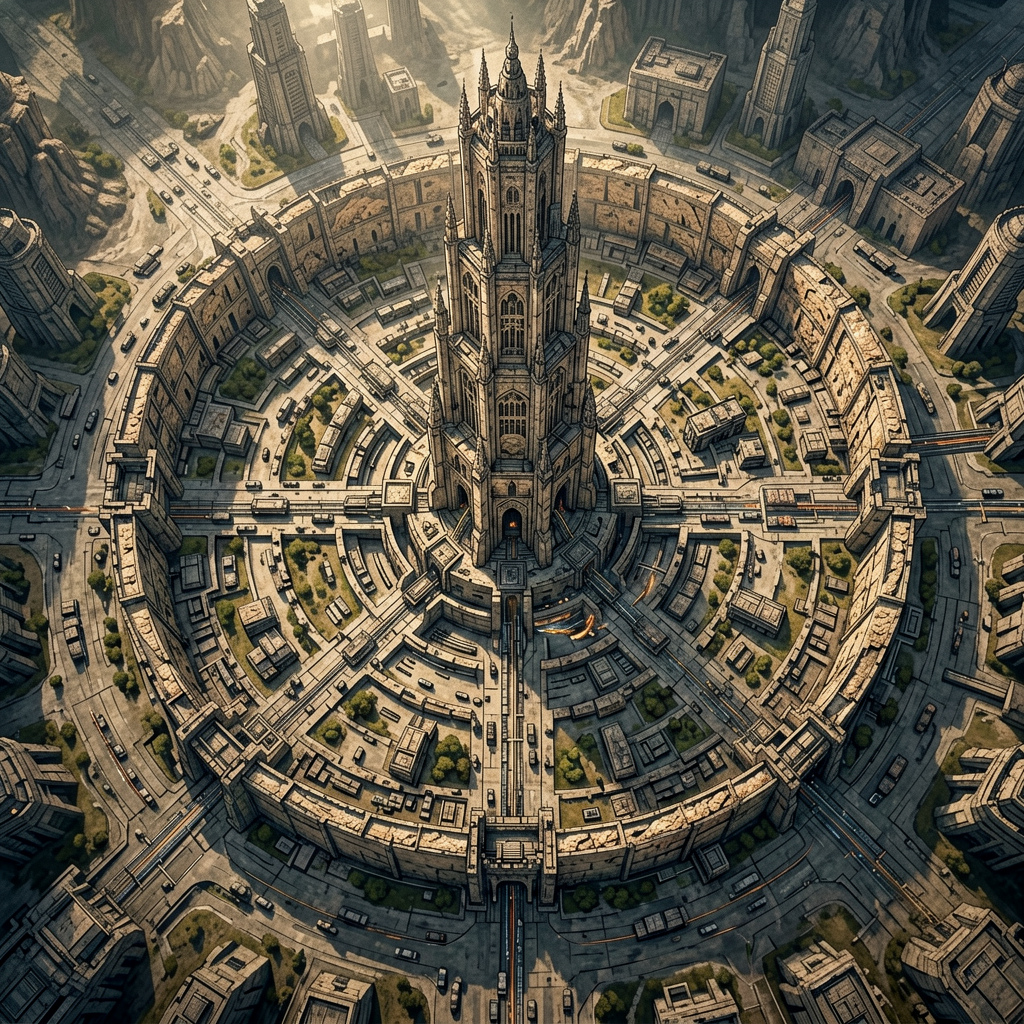
Let’s start with The Tower’s Arrival. Spontaneously, black obelisks of impossible stone materialized in plazas on every continent. No sound, no warning — just a sudden, light-absorbing monolith that registers as *massless* on every instrument. Onlookers called it an art installation, a hoax, an alien artifact. Governments scrambled, setting up a Military Perimeter around each tower, claiming control. But the real control was never theirs.
At the base of every Tower is The Inscription: “ENTER AND BE FORGOTTEN.” Not a warning — a contract. Touch the stone, and the Tower erases your name, your history, your identity from the outside world. It’s a one-way door into a vertical trial of ten floors. But not everyone can enter. The tower enforces Threshold Rejection — it physically repels those deemed unworthy. Some are thrown backward. Others glimpse something inside and flee screaming. The Tower’s selection is ruthless: it accepts only those who have nothing left to lose.
Walking up to the obelisk in The Plaza — a place that once held morning glories and concrete walls, now ringed by armed checkpoints — you feel the weight of those words. For the curious and the analytical, the door stays shut. For the utterly desperate? It opens.
Inside the Anteroom: The Wall of Names and the First Accountant
Cross The Threshold Crossing — placing your hand on the stone at midnight — and you step into The Anteroom. This is not a normal chamber. Its ceiling is lost in golden haze, its walls curve with non-Euclidean geometry, and the only light comes from The Wall of Names — an infinite cliff-like surface covered in carved, glowing names of every person who has ever lived or entered the Tower. No alphabetical order, no chronology. Just a chaotic sea of identities.
And standing before that wall is The First Accountant: a seven-foot-tall figure of black stone with too-long fingers and a blank obsidian face. He records every name in a leather-bound book that shifts colors in the light. He doesn’t speak. He just watches. In the Anteroom, you are not alone. Other entrants have made it this far: The Old Man, who sobs at the Wall but recognizes something strange; The Woman in Military Fatigues, disciplined and scanning; The Meditating Young Man, whose breathing stays deep and even despite the shimmer in the air. All of them are waiting — or preparing — for The Claim.
The Claim and the Anomaly: When a False Name Breaks the System
The Claim is the ritual: press your hand against the Wall of Names. Your name etches itself permanently into the stone, and the Tower registers you for the trial that begins on Floor 1. It’s a contract of identity — you give the Tower your truth, and it gives you a chance at Floor 10, the rumored final level no one has confirmed reaching.
But here’s where *The Identity Index* changes everything. The Protagonist (The Liar) steps up to the Wall and presses his hand — but he doesn’t give his real name. He gives a *false name*. A lie. The Tower — a system built on absolute truth, on the ledger of every name that has ever existed — has never encountered The Anomaly: a variable that doesn’t match. The Wall’s light ripples. The First Accountant’s book flutters. The whole Anteroom recalculates.
This is the core tension of the Tower’s lore: what happens when the system meets something it cannot categorize? The protagonist — fleeing a burdened identity — becomes the first entrant in Tower history to hold a secret from the system. The Old Man looks at him with a knowing gaze. The Woman in Military Fatigues keeps scanning, but the disruption is undeniable. The Claim has been made, but it’s a broken contract. And the Tower — an entity that seems almost alive — must now decide what to do with a liar.
The Tower’s Selection Criteria and the Stakes for Floor 10
Why does the Tower choose the desperate? The Tower’s Selection Criteria is its most chilling feature: it rejects the curious, the analytical, the innocent. Only those who have nothing left to lose are allowed past the threshold. The protagonist fits that description — but he also carries a secret, which may be exactly what the Tower needs or fears.
We don’t know what awaits on Floor 1 through Floor 10 in detail (the book reveals the trial itself), but we do have The 2% Survival Statistic: the protagonist’s calculation, based on compiled data from towers worldwide, that roughly one in fifty entrants can reach Floor 10. Ninety-eight percent fail. They might die. They might vanish. They might become names on the Wall, indistinguishable from the rest. That’s the gamble — give the Tower your name, and it gives you a slim chance at something beyond. The protagonist, by lying, might have just improved his odds — or doomed himself in a way no one has ever been doomed before.
Why This Lore Matters: The Stolen Stream Universe
The Tower of Names isn’t just a setting — it’s a mirror. It asks: what is identity worth? If your name can be erased, what remains? The protagonist’s journey is a struggle not just for survival, but for *self* in a system designed to strip it away.
For indie sci-fi fans, *The Identity Index* offers a fresh take on dark fantasy litRPG — where levels are earned not through grinding, but through confronting the nameless void. The Tower’s lore is dense enough for theory-crafting (what happens on Floor 10? Is the Tower alive? Does the First Accountant know the Liar’s true name?) and emotional enough to hook you on the protagonist’s desperation.
Dive deeper into *The Stolen Stream* universe by picking up the full bundle at mesoblackmedia.com. The Tower of Names is waiting. But remember: enter and be forgotten — unless you learn to lie better than the system can calculate.