Level Zero book series vs The Hunger Games dystopia: Which Gamified Dystopia Delivers More Depth?
Level Zero book series vs The Hunger Games dystopia: Which Gamified Dystopia Delivers More Depth?
In the SFF world right now, lawsuits over AI training data and copyright are reshaping how we value original worldbuilding — and that's why the Level Zero book series vs The Hunger Games dystopia comparison matters more than ever. With publishers scrambling to prove their IP is distinct, readers are asking: which gamified dystopia actually earns its complexity?
Both franchises trap characters in brutal, life-or-death systems. Both use games as a mechanism for control. But while The Hunger Games offers a political allegory wrapped in a survival competition, the Level Zero book series builds a fully realized gamified universe where the rules of reality literally break. Let’s break down the differences across four key axes.
Depth: Surface-Level Politics vs Systemic Collapse The Hunger Games operates on a clear, readable metaphor: the Capitol exploits the districts. The Games are a spectacle designed to suppress rebellion. It’s effective, but the system is static. Once you understand Panem’s power structure, there’s little mystery left. The depth comes from character psychology, not world mechanics.
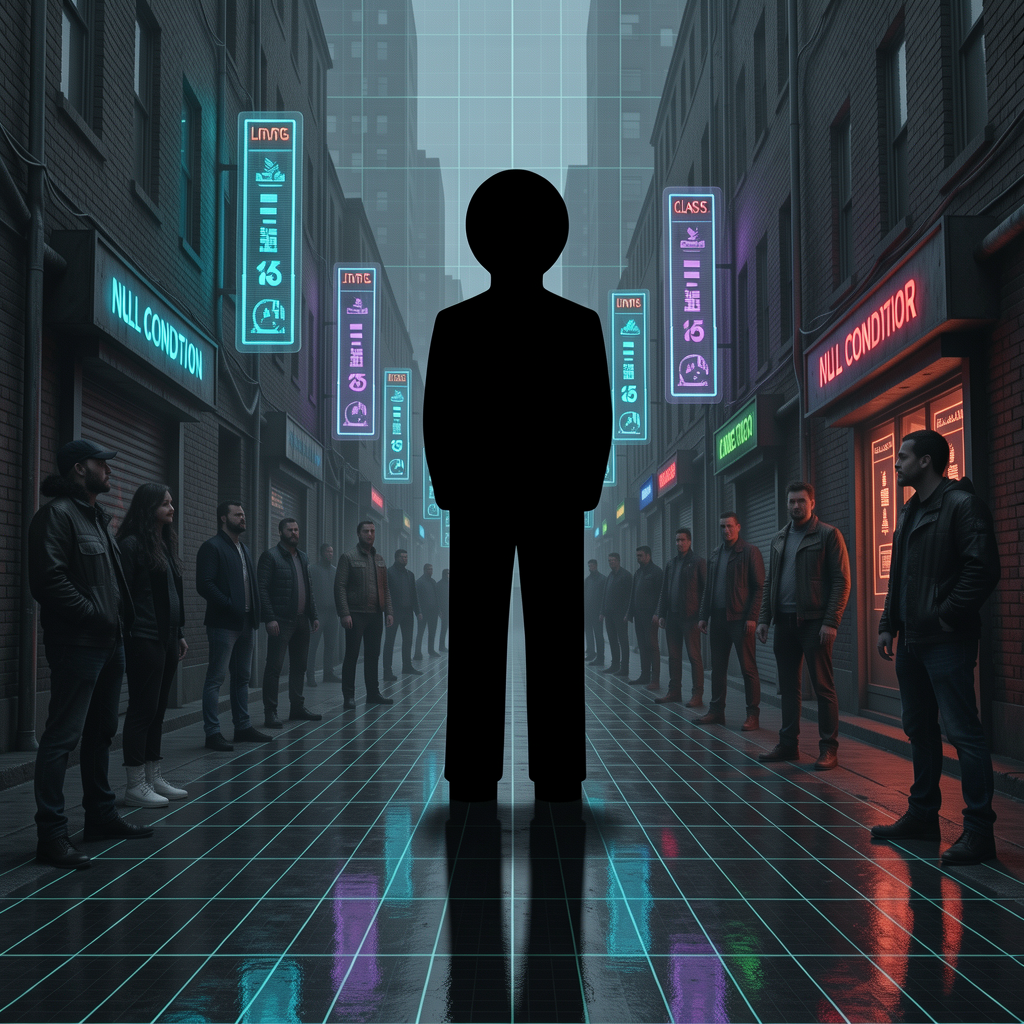
The Level Zero book series, by contrast, buries its depth in the architecture of the game itself. The world isn’t just unfair — it’s broken. Players don’t just fight for bread; they navigate glitch zones, exploit system exploits, and confront the fact that the Admin may not be a person but a corrupted protocol. The question isn’t “who’s in charge?” but “what happens when the game’s code starts overwriting reality?” This isn’t a single political statement; it’s a multi-layered investigation of digital consciousness, consent, and the cost of infinite replay.
Winner: Level Zero — for rewarding readers who want to dig into the how and why of a broken system, not just the who.
Originality: Allegory vs Genre-Bending The Hunger Games is a masterclass in allegory. It’s Battle Royale meets reality TV meets class warfare. It’s derivative in the best way — it refines existing tropes into a sharp, accessible narrative. But it doesn’t break new ground in what a dystopia can be.
The Level Zero book series actively resists easy categorization. It borrows from litRPG, survival horror, and cyberpunk, but it doesn’t sit neatly in any of them. The Respawn mechanic isn’t a cheat code; it’s a curse. Players remember every death. The Lore Fragments aren’t collectibles — they’re memories of a world that may never have existed. Where Hunger Games asks “what if the rich watched the poor die for sport?”, Level Zero asks “what if the game itself is the only thing keeping the universe from unmaking itself?” That’s a fundamentally different, and rarer, kind of originality.
Winner: Level Zero — for refusing to be just one thing, and for building a dystopia that feels genuinely new.
Mechanics: Simple Rules vs Living Systems The Hunger Games has simple mechanics: fight, hide, form alliances, survive. The “game” is a backdrop for character decisions. The rules are transparent, and the tension comes from human choices, not system complexity.
The Level Zero book series makes the game a character. The System has rules, but they’re opaque and shifting. Players must learn to glitch through walls, stack buffs from rare Data Shards, and avoid Corruption Zones that rewrite their stats in real time. The mechanics aren’t just set dressing — they’re puzzles. Readers who enjoy figuring out how a fictional system works will find endless material here. For example, the Permadeath Protocol isn’t a simple binary; it has exceptions, loopholes, and consequences that ripple across multiple volumes.
Winner: Level Zero — for treating mechanics as a narrative tool, not just a plot device.
Accessibility: Easy Entry vs High Barrier This is where The Hunger Games wins decisively. You can hand it to a twelve-year-old and they’ll understand the stakes in the first chapter. The language is direct. The metaphors are clear. It’s designed for mass appeal.
The Level Zero book series demands more from its reader. The glossary is essential. The System Logs require attention. The nonlinear timeline and fragmented Lore Fragments mean you can’t skim. If you want a quick, emotionally resonant read, Hunger Games is the better choice. If you want to immerse yourself in a dense, puzzle-box dystopia that rewards rereading, Level Zero is the superior option.
Winner: The Hunger Games — for being immediately understandable and emotionally direct.
Comparison Table | Aspect | Level Zero book series | The Hunger Games | |--------|------------------------|------------------| | Depth | Systemic collapse, digital consciousness, corrupted code | Political allegory, class warfare, spectacle | | Originality | Genre-bending litRPG/survival horror hybrid | Refined Battle Royale allegory | | Mechanics | Living system with glitches, corruption, respawn | Simple survival rules, transparent stakes | | Accessibility | High barrier, demands attention | Low barrier, immediate emotional hook | | Primary tension | Understanding the broken system | Surviving human cruelty |
Verdict: Which Dystopia Should You Read? If you want a story that feels like a punch to the gut — clear, emotional, and politically resonant — start with The Hunger Games. It’s a classic for a reason.
But if you want a dystopia that feels like a puzzle box — one that rewards patience, rewards attention, and rewards the reader who wants to understand how the nightmare works — the Level Zero book series is the deeper, more original, and more mechanically rich experience. It’s not for everyone. But for readers who love worldbuilding that feels alive, broken, and worth decoding, it’s unmatched.
For a full breakdown of the world’s rules, factions, and hidden lore, check out the <a href="https://www.mesoblackmedia.com/level-zero-complete-guide">Level Zero lore guide</a> — it’s the closest thing to a System Manual you’ll get without respawning.