Neon Grave Timeline Explained: A Beginner's Guide to the Cyberpunk Noir World
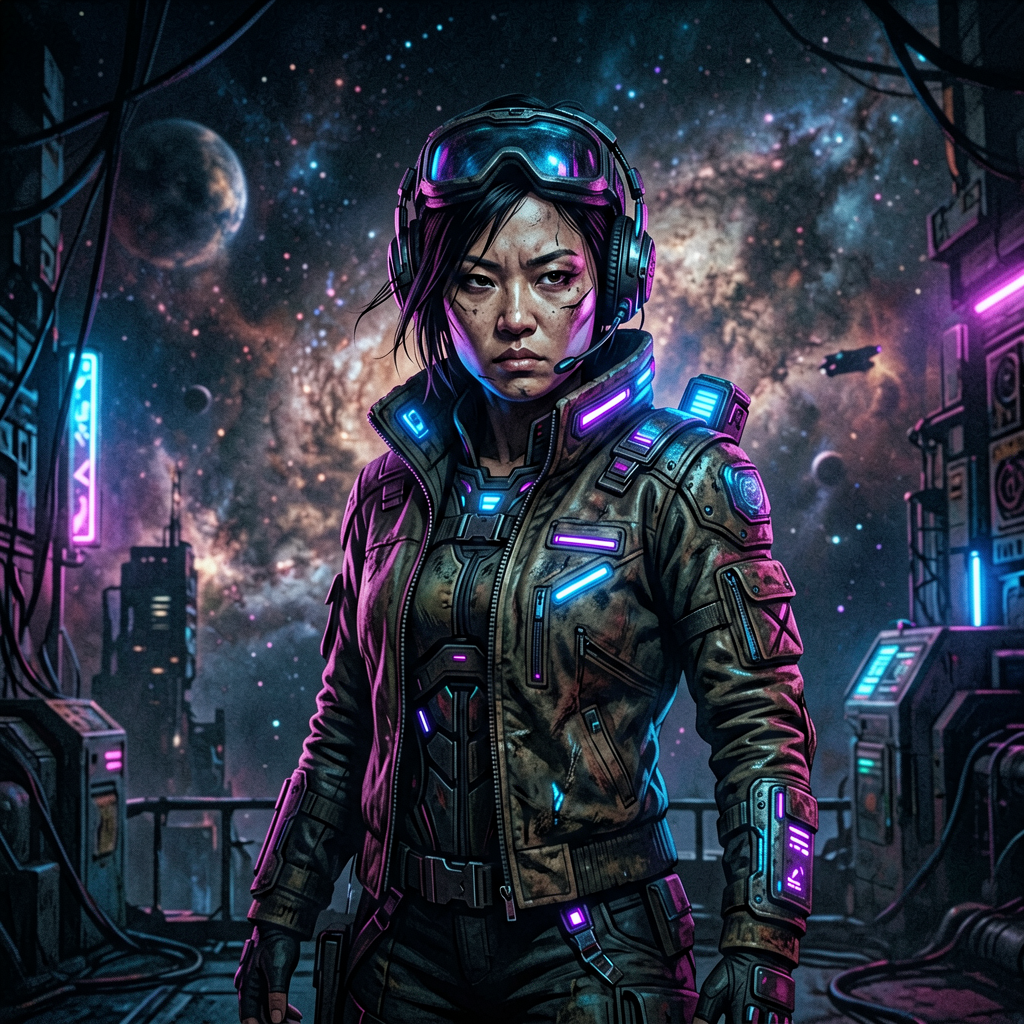
Dive into the neon-soaked cyberpunk world of Neon Grave. Learn about Cascade's layers, neural recording tech, and the timeline that shapes this dark future
Neon Grave Timeline Explained: A Beginner's Guide to the Cybernoir World
Welcome to Cascade—a sprawling megacity where the past and future collide beneath a permanent neon-soaked twilight. In the cyberpunk noir universe of Neon Grave by MesoBlack Media, history isn’t just recorded—it’s digitally preserved and legally weaponized. But to understand this rain-soaked world of neural crime and corporate intrigue, you need to grasp its timeline. This guide breaks down the key eras that shape Cascade’s dystopian reality.
💡 Fun fact: Cascade wasn’t built upward—it was built downward. After the 2030s floods submerged the original city, survivors raised new layers on stilts, elevators, and repurposed subway tunnels. Today, the city exists in seven vertical strata, from the drowned ruins of the 1990s to the hologram-plastered streets of the 2030s.
The Pre-Flood Era: The World That Sank
Before the sea claimed it, Cascade was a thriving coastal metropolis. The early 2000s marked the rise of digital consciousness—the idea that thoughts and memories could be recorded and stored. This era saw the birth of early AI and the first forays into neural interfaces, but also the seeds of corporate surveillance.
By 2027, the first neural recorder emerged from Memento Mori Labs—a device small enough to implant in the human brain. What began as a medical breakthrough became a social reckoning. Who owns your memories? Who can access them? These questions would define the next century of law, crime, and identity itself.
The Great Drowning: 2030–2045
The defining catastrophe of the Neon Grave timeline was the Global Oceanic Shift. Rising sea levels, accelerated by melting polar ice and unchecked urban runoff, swallowed entire coastal cities. In Cascade, the flood arrived in stages—each decade’s architecture preserved beneath the rising tide.
- Recorder — a core part of the Neon Grave canon.
- Kavanagh — a core part of the Neon Grave canon.
- Dead Channel — a core part of the Neon Grave canon.
- MEMENTO MORI — a core part of the Neon Grave canon.
- Cascade City — a core part of the Neon Grave canon.
- forty-seven — a core part of the Neon Grave canon.
If you want the full story, get the complete Stolen Stream bundle for $9.99 — ebook, audiobook, and the 19-track original soundtrack.
Read more

The Stolen Stream Universe — July 2026
We need to pick an existing post that lacks internal link to a book page or has weak traffic, but we don't have list of existing posts. We need to choose one from presumably known list? We have list of recent titles to avoid touching. So we need
The Stolen Stream Universe — July 2026
We need to output META_TITLE, META, then sections with H2 headings and content. No H1. No explanations. Must be 500-800 words. Must focus on one of the actual book pages (the list). Must include internal link to that book page. Must reference one SFF industry trend: the provided
7 Essential Post-Apocalyptic Game System Books 2024
# 7 Essential Post-Apocalyptic Game System Books 2024 In the SFF world right now, we're seeing a surge in diverse new imprints, like the launch of Kwame Alexander Books—and that's why the need for specialized, high-quality post-apocalyptic game system books matters more than

7 Must-Read LitRPG Books for Adults 2026
# 7 Must-Read LitRPG Books for Adults 2026 In the SFF world right now, the 2026 Jhalak Prize winners are being celebrated as towering works of literature — and that's why litrpg books for adults matters more than ever. Why LitRPG Appeals to Adult Readers Adult readers look for