Sector 7 and the Flatlands: A Guide to the Grid's Geography

Share

The world of Level Zero is not a single place. It is a vertical hierarchy of zones, each reflecting the brutal logic of the Grid. At the top sits the Spire, where Administrator Vaux and the Architect descendants live in climate-controlled luxury. Below it stretch the Flatlands — mile-high slums where billions grind for scraps. And beneath everything, buried in the forgotten layers of the Grid's infrastructure, lies Sector 7: the heart of the system, the source of the original Architect code, and the only place where Root Access is possible.

The Flatlands: Life at Level Zero

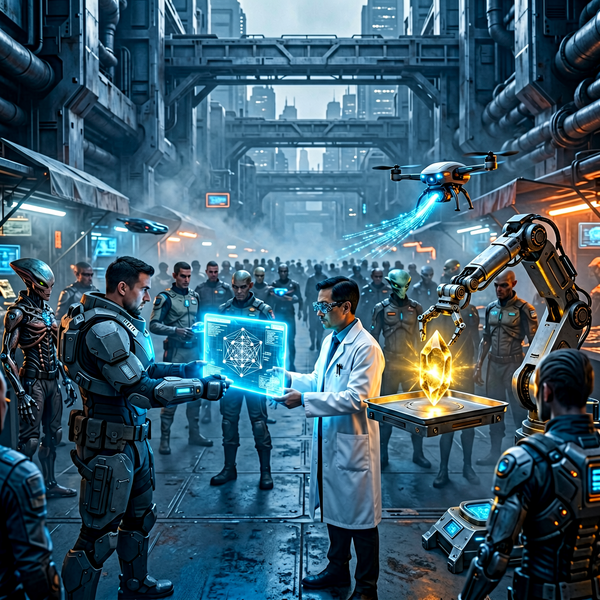
The Flatlands are not flat. They are a vertical slum — shipping containers stacked fifty high, makeshift power cables crisscrossing between structures like spider webs, and a permanent haze of ozone and uncollected waste that stains the air brown. Here, the sun is a rumor. The Spire's shadow covers most of the habitable area, and the only light that reaches ground level is the flickering purple of illegal Grid terminals and the cold cyan of corporate advertising.

Life in the Flatlands is defined by scarcity. Water is rationed by the Grid. Food is synthesized from recycled biomass. Medical care requires a Level License that nobody below Level 3 can afford. The average Flatlands citizen lives to forty — assuming the Grid's random deletion algorithms do not claim them first.

But the Flatlands have one advantage the upper Sectors lack: anonymity. The Grid's surveillance is thinner here. The signal degradation caused by the stacked containers creates blind spots. It is in these blind spots that the resistance operates, passing information through hand-copied data fragments and salvaged terminals.

The Red Line Tunnels: The Dead Subway

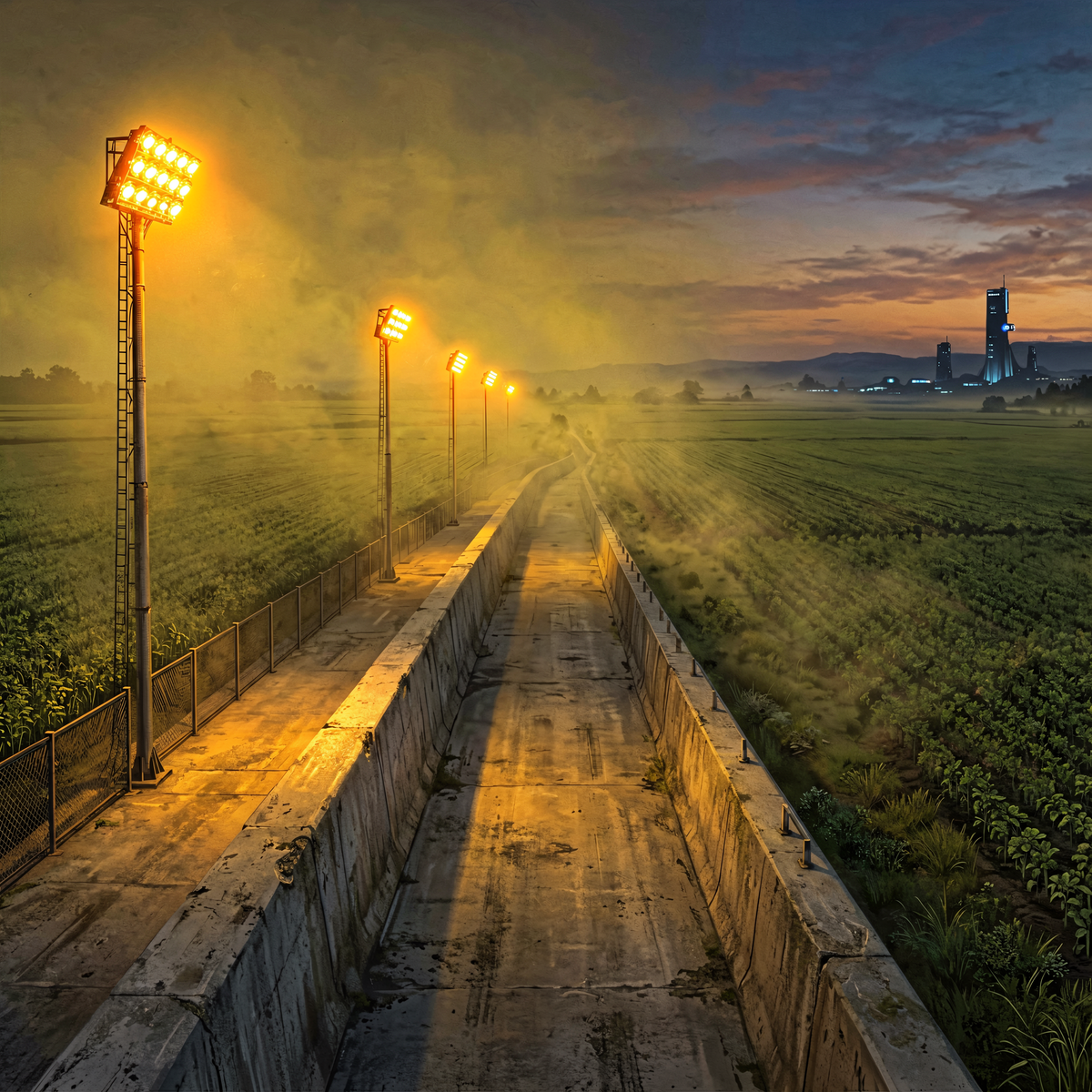
Beneath the Flatlands runs the Red Line — an abandoned subway network that predates the Grid's current architecture. The Red Line is not safe. The tunnels are dark, flooded in sections, and patrolled by Grid security drones that hunt for unauthorized movement. But for those willing to risk the journey, the Red Line is the only passage between the Flatlands and the deeper layers of the Grid's geography.

The tunnels are lined with bone-white tiles that glow faintly under infrared light — a side effect of the Chronal Lattice residue embedded in the construction materials. Every surface carries the ghost of a signal, the residual data of millions of commuters who used this network before the Grid's restrictions made travel a privilege. Walking through the Red Line is like walking through a graveyard of lost connectivity.

Cross knows these tunnels better than most. He has mapped every flooded section, every drone patrol pattern, every collapsed junction that could serve as an ambush point. The Gauntlet on his arm lets him read the residual Architect fragments embedded in the tunnel walls, giving him access to data streams that have been dormant for decades.

Haven: The Last Safe Place

Somewhere in the deepest section of the Red Line, past the security checkpoints and the drone patrol zones, lies Haven. It is not a large settlement — maybe three hundred people in a converted maintenance station — but it is the closest thing to freedom that exists in the Grid. Haven operates off-Grid, running on salvaged Architect hardware that predates the current system's surveillance protocols.

Haven is where Cross goes when he needs supplies, information, or medical care that the Grid's terminals would deny him. It is where Mira first decoded the Synchronizer signals that revealed the pattern of the Four Resets. And it is where the resistance stores the Architect fragments that keep the Gauntlet operational.

The Old Terminal

The Old Terminal is a relic of the pre-Grid era — a massive data processing center buried beneath what is now Sector 5. It is not connected to the current Grid architecture, which means the surveillance algorithms cannot see what happens inside. For Cross and Mira, the Old Terminal is a staging ground for their deeper incursions into the system.

The Terminal's main chamber is cathedral-sized, filled with rows of dead servers and screens that still glow with green text on dark backgrounds — the original Grid interface, untouched for centuries. The Architect fragments here are more complete than anywhere outside Sector 7. Every visit to the Old Terminal reveals new pieces of the puzzle.

Sector 7: The Forbidden Layer

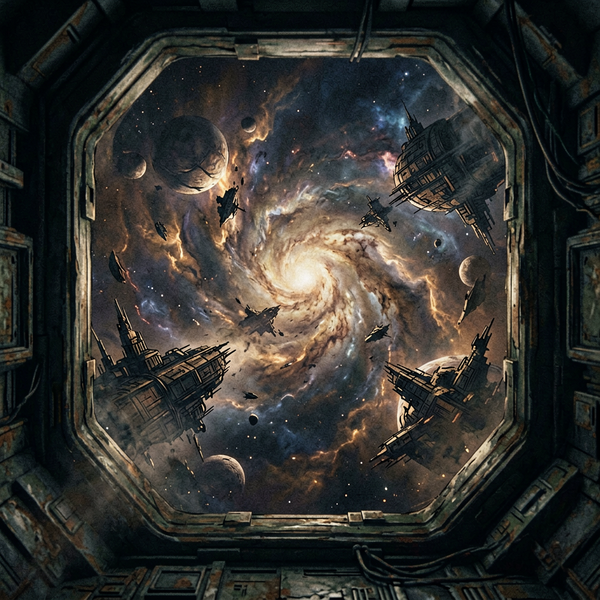
Sector 7 is not a physical location in the traditional sense. It is a layer of the Grid's architecture that exists both in the physical infrastructure beneath the Spire and in the digital space of the Chronal Lattice. To reach Sector 7, you must navigate both.

Physically, Sector 7 is accessed through a single elevator shaft in the Spire's foundation, marked by a door that requires Level 50 authorization to open — a Level that has never been achieved by any living person. Digitally, Sector 7 is a firewall-dense zone of the Grid where the Architect source code still runs on its original protocols. The door and the firewall are the same thing: a barrier designed to keep unauthorized access out forever.

But Cross is not a normal user. The Gauntlet, powered by Architect fragments, can speak the original protocols. The question is whether the fragments have enough charge left to complete the handshake before Sector 7's security algorithms identify the Gauntlet as an unauthorized device and trigger a permanent lockdown.

The journey from the Flatlands to Sector 7 is not measured in miles. It is measured in security layers. Each transition — from the Flatlands to the Red Line, from the Red Line to Haven, from Haven to the Old Terminal, from the Old Terminal to the Spire's basement — requires a combination of physical endurance, technical skill, and luck.

Cross has the endurance. Mira provides the skill. The luck is what keeps readers turning pages in Anthony Frederick's Level Zero series. Because in the Grid's geography, the only guarantee is that the system is watching. And it does not forgive.

Read more