The Evolution of Technology in the Level Zero Cyberpunk Noir Universe
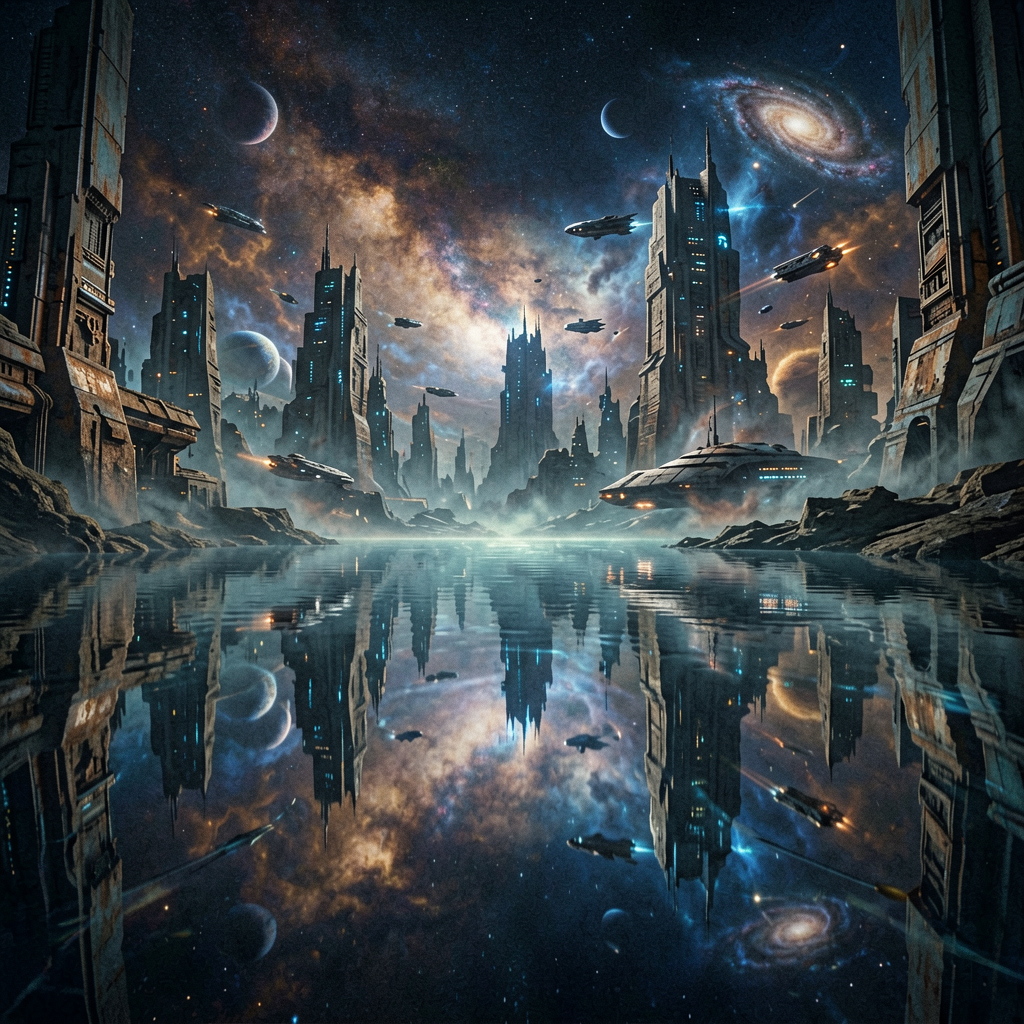
Explore the hidden tech layers of Level Zero, where the Grid shapes reality and ancient systems dictate human potential.
The Evolution of Technology in the Level Zero Cyberpunk Noir Universe
From corporate Spires to the hidden Grid, technology in Level Zero isn’t just a tool—it’s the invisible architecture of society itself. This cyberpunk noir world, crafted by MesoBlack Media, weaves a dystopian tapestry where innovation is both salvation and oppression. Let’s dive into the layers of technology that define this universe.
The Grid: The Hidden Operating System of Reality
The cornerstone of Level Zero’s technological landscape is the Grid—a stat-based framework that governs existence itself. Created centuries ago by the Architects, this hidden layer of reality encodes the rules of life into a game-like system, where every person is assigned a Class, Stats, and a Level cap from birth. The Grid is not just a tool; it’s the foundation of society, dictating potential, mobility, and even survival.
Technology in this world isn’t just about gadgets—it’s about systems. The Grid’s influence permeates everything: from the corporate-run Licenses required to level up to the black-market tech that allows rogue users to manipulate their Stats. This duality—official control vs. underground innovation—creates a constant tension, fueling both the oppressive Spires and the rebellious underworld.
Corporate Supremacy: Spires, Licenses, and the Illusion of Progress
The Spires, towering corporate megastructures that pierce the upper atmosphere, are the physical manifestation of the Grid’s power. These bastions of technological dominance house the Architects’ descendants, who enforce the rules of reality through Licenses—government-issued permits that unlock higher Level caps. The wealthy purchase Level 10 for their children on birthdays, while the poor grind for decades just to scrape past Level 0.99.
Technology here is a privilege, not a right. The Spires control not only upward mobility but also the dissemination of advanced tech. Neural interfaces, augmented limbs, and stat-enhancing drugs are all regulated, ensuring that only the elite can afford to transcend their limitations. The result? A society where innovation is hoarded, and the gap between the Levels widens with every generation.
The Black Market: Where Tech Meets Rebellion
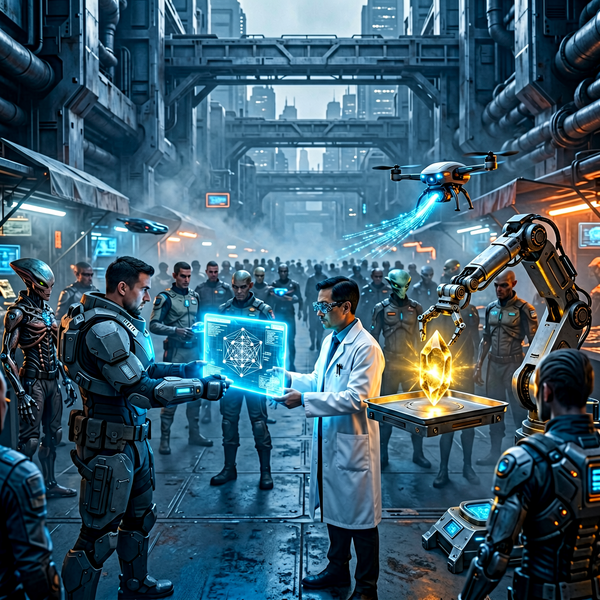
Beneath the corporate veneer, a thriving black market exists—one where rogue engineers, hackers, and smugglers trade in forbidden tech. Unlicensed Stat Mods, Grid hacks, and experimental cyberware circulate in the neon-lit underbelly of the city, offering glimpses of freedom in an otherwise rigid system. These technologies are dangerous, often unstable, and sometimes lethal, but they represent the only path to true self-determination for the disenfranchised.
One of the most intriguing black-market innovations is the Ghost Protocol—a rumored hack that allows users to bypass the Grid’s Level cap entirely. While its existence is shrouded in myth, the mere possibility fuels underground movements and corporate paranoia alike. This cat-and-mouse game between authority and rebellion keeps the technological landscape of Level Zero in a constant state of flux.