The Unraveling vs The Signal Protocol: The Best dystopian sci-fi books like The Matrix
# The Unraveling vs The Signal Protocol: The Best dystopian sci-fi books like The Matrix
If you came here looking for dystopian sci-fi books like *The Matrix*, you already know the pull: the feeling that the world you see is a lie, a system designed to keep you docile. You want the red pill. You want to see the code.
Most lists will point you to *Neuromancer* or *Snow Crash*. Those are classics, but they are also decades old. For a modern, self-contained universe that respects the core tension of *The Matrix*—consciousness vs. control—the **Level Zero** franchise delivers two distinct answers: *The Unraveling* and *The Signal Protocol*.
Both novels exist in the same universe of fractured realities and systemic oppression, but they approach the "waking up" process from completely different angles. One is a slow-burn psychological horror. The other is a tactical espionage thriller. Both ask the same question: *What happens when the simulation glitches?*
Let’s break them down.
The Core Conflict: Simulation vs. Signal
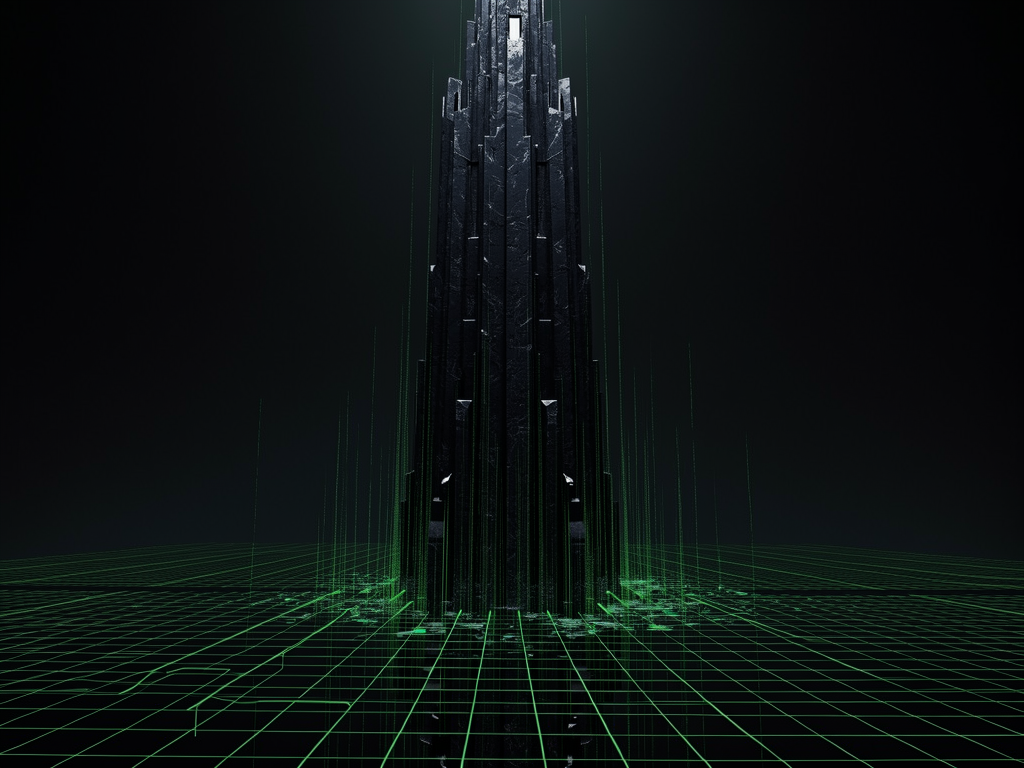
Before we compare the books, you need to understand the **Level Zero** cosmology. In this universe, reality is not a single layer. It is a stack of nested simulations called **The Spire**. Most humans live on **The Surface**, a "perfect" world built by the **Architects** to keep the population pacified.
The "glitch" in this system is the **Null Signal**—a frequency that disrupts the simulation. Those who can hear it are called **Listeners**. They see the cracks in the code.
*The Matrix* was about a computer program enslaving humanity. *Level Zero* is about a system that *convinces* you to enslave yourself. The enemy isn't a machine; it's the architecture of belief.
The Unraveling vs The Signal Protocol: Comparison Table
| Criteria | *The Unraveling* | *The Signal Protocol* | | :--- | :--- | :--- | | **Depth** | Psychological & emotional. Focus on the cost of knowing the truth. | Systemic & tactical. Focus on the mechanics of the simulation. | | **Originality** | High. Uses memory decay as a weapon. The protagonist forgets the glitch. | High. Treats the simulation like a network to be hacked via social engineering. | | **Mechanics** | Soft. The rules of the simulation are felt, not explained. Reality bends based on emotional state. | Hard. Clear rules about **Node** access, **Echo** data, and **Frequency** masking. | | **Accessibility** | Easy. Relatable protagonist. Slow descent into paranoia. | Moderate. Requires attention to technical jargon (e.g., **Tethering**, **Overlay**). |
Section 1: Depth – The Cost of the Red Pill
The Unraveling: The Horror of Knowing
*The Unraveling* follows a **Listener** named Kael who begins to see **Rifts**—tears in the fabric of The Surface. The depth here is purely emotional. Kael doesn't want to be a hero. He wants to go back to sleep. The book explores the psychological toll of being the only person who sees the truth.
This mirrors the moment in *The Matrix* where Cypher says, "Ignorance is bliss." *The Unraveling* asks: *If you could forget the glitch, would you?* The antagonist isn't a villain; it's the **Memory Eater**, a system that literally erases the memories of those who see too much.
**Why it works for Matrix fans:** You get the "waking up" scene, but instead of a cool dojo with Morpheus, you get a man standing in his kitchen, watching his wife repeat the same sentence three times because the simulation is buffering.
The Signal Protocol: The Architecture of the Lie
*The Signal Protocol* is less about feeling and more about understanding. The protagonist, Dr. Anya Voss, is a **Null Technician**—someone who doesn't just see the glitch, but can measure it. The depth here is intellectual. She maps the **Architects'** logic, discovering that the simulation runs on a consensus of belief.
This is the book for readers who loved the "What is real?" scene in *The Matrix*. Anya doesn't fight agents. She rewrites the rules by broadcasting the **Signal** to specific **Nodes** (population centers) to break the consensus.
**Depth Verdict:** *The Unraveling* wins for emotional depth. *The Signal Protocol* wins for world-building depth. Both are necessary for a full understanding of the Level Zero universe.
Section 2: Originality – Escaping the Shadow of the Wachowskis
It is hard to write dystopian sci-fi books like *The Matrix* without just rewriting *The Matrix*. Both Level Zero novels avoid this trap by changing the core conflict.
The Unraveling: Memory as a Prison
The originality here is the **Memory Eater**. In *The Matrix*, the machines keep humans in pods for energy. In *The Unraveling*, the Architects keep humans on The Surface by making them *forget* that they are trapped. The protagonist’s struggle isn't against bullets; it's against his own brain. He writes notes to himself, but the Memory Eater erases them. He wakes up with bruises from a fight he doesn't remember.
This is a fresh take on the "false reality" trope. It isn't about escaping. It is about *retaining* the truth long enough to act.
The Signal Protocol: Hacking the Social Layer
*The Signal Protocol* introduces the concept of **Echoes**—digital ghosts of people who were "deleted" from the simulation. Anya doesn't fight the system with guns. She uses **Echoes** as viruses, injecting the memories of deleted people into the minds of the living to create doubt.
This is more original than most cyberpunk. It isn't about hacking a computer; it's about hacking the *shared hallucination* of society.
**Originality Verdict:** Tie. Both novels take the "simulation" premise in directions *The Matrix* didn't explore.
Section 3: Mechanics – How the Simulation Works
One of the best parts of *The Matrix* was the rules. Bullet time. The loading program. The construct. For dystopian sci-fi books like *The Matrix*, the mechanics matter.
The Unraveling: Fluid Reality
The mechanics in *The Unraveling* are soft. Reality shifts based on the **Listener's** emotional state. When Kael is afraid, the walls bleed. When he is angry, time slows down. This is disorienting, but it adds to the horror. You never know the rules, because the rules are subjective.
**Pros:** High tension. You feel as lost as the protagonist. **Cons:** Frustrating for readers who want a "rulebook."
The Signal Protocol: Grid Logic
The mechanics in *The Signal Protocol* are hard. Anya uses a device called a **Tether** to connect to the **Grid**—the backbone of the simulation. She can see the **Frequency** of any object or person. She masks her own **Frequency** to become invisible to the Architects.
There is a scene where she calculates the exact **Echo** density of a room to determine if it is a "safe zone" or a "trap." This is the book for readers who take notes.
**Mechanics Verdict:** *The Signal Protocol* is better for hard sci-fi fans. *The Unraveling* is better for psychological thriller fans.
Section 4: Accessibility – Which Book Should You Read First?
If you are new to the Level Zero franchise, you need the right entry point.
The Unraveling: The Gateway Drug
This book is short (around 250 pages) and focused on a single character. The prose is lean. You don't need a glossary. The horror of the simulation is felt immediately. It is the most accessible book in the franchise.
**Read this if:** You want the emotional impact of *The Matrix* without the technical complexity.
The Signal Protocol: The Deep Dive
This book is denser. It requires patience. The first 50 pages are exposition about **Nodes**, **Tethers**, and **Frequency**. But once the plot kicks in, it is a chess match between Anya and the Architects.
**Read this if:** You loved the "Neo vs. Agent Smith" tactical battles and want to understand the *how* of the simulation.
**Accessibility Verdict:** *The Unraveling* is the clear winner for new readers.
Verdict: Which dystopian sci-fi book is best for you?
**Pick *The Unraveling* if:** You want a tight, psychological horror story about the cost of waking up. It is the “Cypher’s choice” book—what happens when the truth is too heavy.
**Pick *The Signal Protocol* if:** You want a tactical, high-concept thriller that explains the mechanics of the simulation. It is the “Morpheus’s plan” book—how to actually fight the system.
**Read both if:** You want the complete picture. *The Unraveling* shows you the *symptom* of the simulation. *The Signal Protocol* shows you the *cure*.
For a full breakdown of the timeline, the Architects, and the Null Signal, check out the **[Level Zero lore guide](https://www.mesoblackmedia.com/level-zero-complete-guide)**.
---
FAQ: dystopian sci-fi books like The Matrix
FAQ: Are the Level Zero books direct adaptations of The Matrix?
No. While both deal with simulated reality, Level Zero is a distinct universe. The Matrix is about machines using humans for bio-energy. Level Zero is about an abstract system called the **Architects** using belief and memory to control a population. The "waking up" process in Level Zero is more psychological than physical. If you want dystopian sci-fi books like *The Matrix* that feel familiar but tell a new story, these are a strong fit.
FAQ: Which Level Zero book has the most action like The Matrix?
*The Signal Protocol* has more structured action sequences. While *The Unraveling* relies on psychological tension, *The Signal Protocol* has set-piece battles where the protagonist uses **Frequency** manipulation to dodge threats and hack **Nodes**. However, don't expect bullet time. The action in Level Zero is more about information warfare than physical combat.
FAQ: Do I need to read the Level Zero books in order?
No. *The Unraveling* and *The Signal Protocol* are standalone stories that happen at different points on **The Spire**. You can start with either. However, reading both gives you a richer understanding of the **Null Signal** and the **Architects'** long-term plan. For the best experience, start with *The Unraveling* for context, then move to *The Signal Protocol* for the deeper mechanics.
Explore the full canon: Level Zero — Complete Lore Guide