7 Essential Tips for Reading Order for Connected Universe Books in 2026
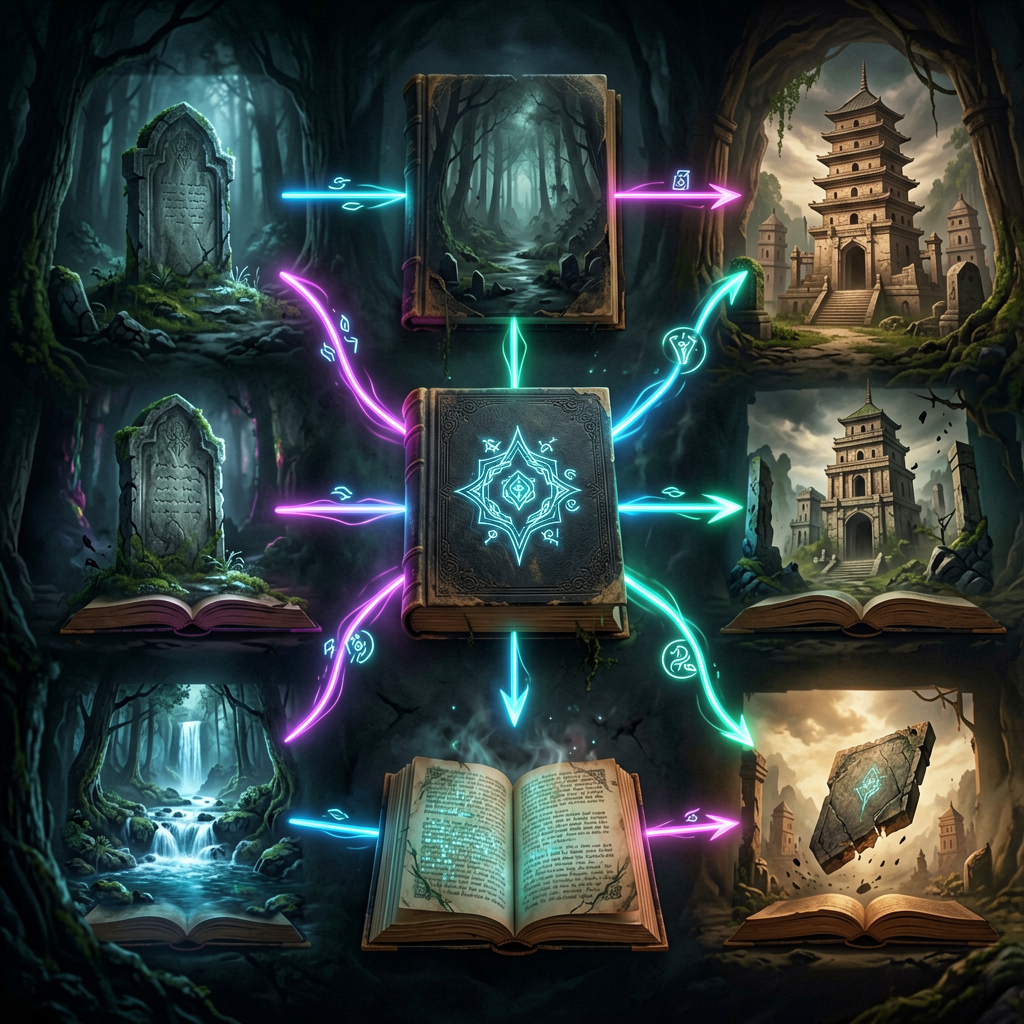
The Stolen Stream: Navigating the Current Without Drowning
Start with the Source—not the echo. The Stolen Stream isn't a series you binge; it's a current you navigate, and the wrong entry point can leave a first-time drifter stranded at a river fork with no map.
Here's the practical framework for deciding where to drop in, whether you're a new current-walker or a veteran tracing the echoes backward.
Why Reading Order Matters in a Connected Universe
A connected universe isn't a trilogy. It's a web of echo points—moments where one character's choice ripples into another timeline. Jump in blind, and you might hit a river fork that assumes you already understand the Source's mechanics from Book 5.
The Stolen Stream's lore is dense, but it rewards patient reading. The key is knowing which books act as anchor points and which are tributaries—side stories that enrich the main flow without breaking your understanding if skipped.
For a full breakdown of how timelines intersect, check out . It maps every major echo and river fork so you can plan your route without spoilers.
Tip 1: Start with the Source, Not the Echo
The Source (Book 1) is non-negotiable. It introduces the Current—the fundamental force that connects all timelines—and establishes the rules of drifting (how characters move between streams). Without it, later books feel like half a conversation. The Source is lean, fast, and sets up the central conflict: a fractured timeline bleeding into itself. Don't skip it.
Tip 2: Read the Mainline Before the Tributaries
Books 2-4 form the mainline. These are the core novels that advance the central plot. Tributaries—like The Drifter's Journal or The Lost Echo—are optional but rewarding. Read them after the mainline to avoid timeline confusion. The mainline gives you the anchor points; the tributaries fill in the gaps without derailing the current.
Tip 3: Use Publication Order for First-Time Readers
Publication order is the safest bet for newcomers. The Stolen Stream was released in a deliberate sequence where each book assumes you've read the previous one. For example, Book 2 spoils a major reveal from The Source if read first. Stick to the release order. This preserves the mystery of each river fork and keeps the echo points impactful.
For deeper lore on the Current and its origins, offers a comprehensive look at how the timelines connect.
Tip 4: Chronological Order Is for Re-Reads Only
Chronological order (starting with a story set centuries before Book 1) is tempting but dangerous. It reveals the origin of the Current too early, robbing The Source of its central mystery. Save this for a second read-through, when you already know the anchor points and can appreciate how the echoes ripple backward.
Tip 5: Group the Short Fiction by Echo Cluster
Short stories and novellas are best read in echo clusters—groups that share a timeline or character arc. For example, cluster the stories around the Weaver timeline together, then move to the River-Keeper arc. This prevents whiplash between different drifting rules and keeps the emotional stakes focused.
Tip 6: Skip Nothing from the Mainline
Every mainline book introduces at least one new echo point that recontextualizes earlier events. Skipping even one entry creates gaps that later books will exploit. The Stolen Stream rewards completionists.
Tip 7: Trust the Current
The reading order isn't a test. The Source was designed as an entry point. If you start there and follow publication order, the river forks will make sense in hindsight. Don't overplan. Let the current carry you.
More from the The Stolen Stream universe: The Stolen Stream Universe | The Stolen Stream Book 1 | The Stolen Stream Book 2
Related: 7 Best Sci Fi That Feels Scientifically Accurate 2026 · 9 Essential Existential Sci Fi Books 2026 · Urban Cryptozoology Books Like Southern Reach Trilogy The Lure Of The Liminal Vs The Bureau Of The Unseen