Memento Mori — Neon Grave
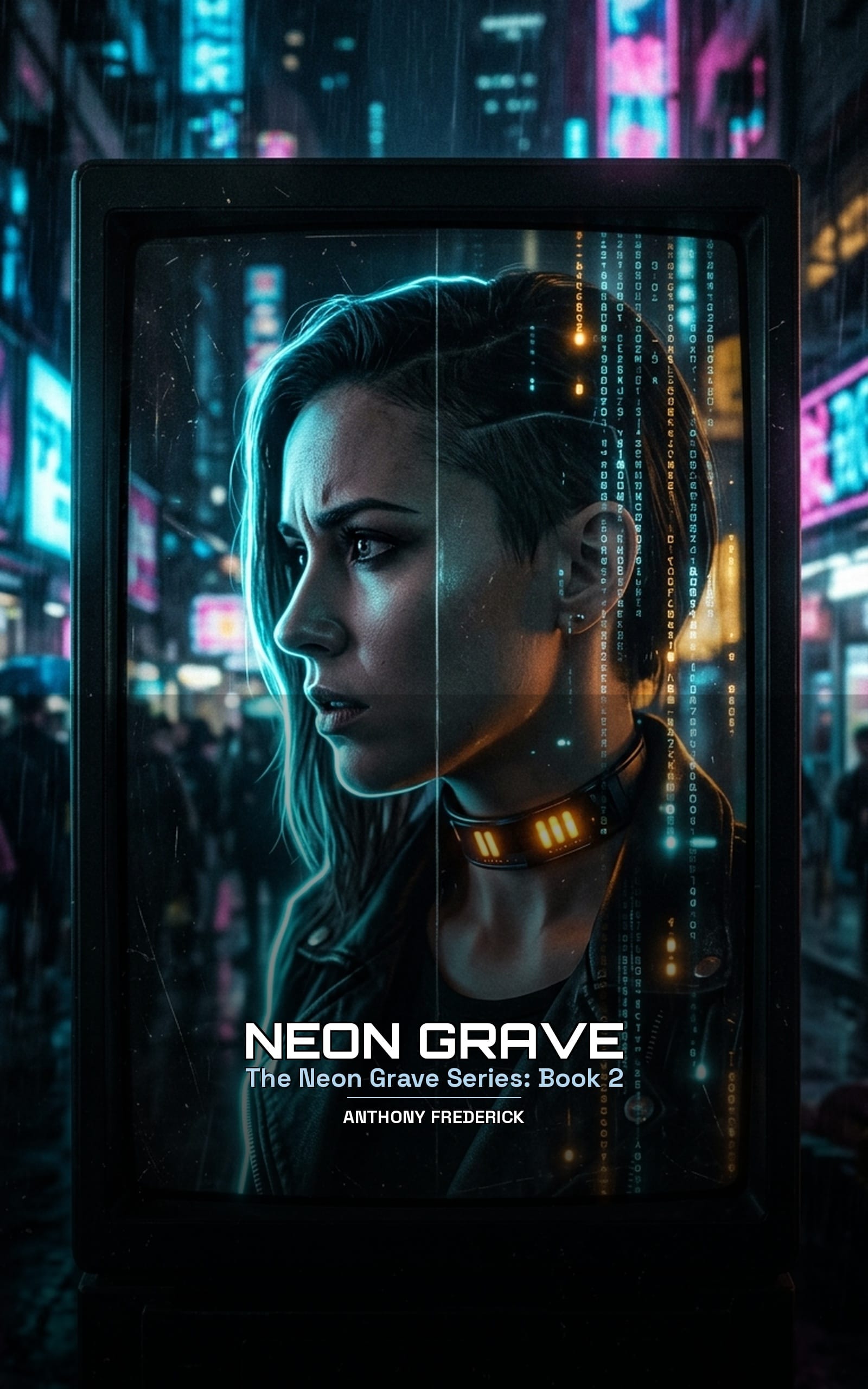
Memento Mori — The dead are talking. Only she can hear.
Book 2 of the Neon Grave trilogy
The dead have never stopped talking. Most of us just can't hear them.
Reyne Kavanagh can. And after Case #48, something has changed in the quiet at the back of her skull.
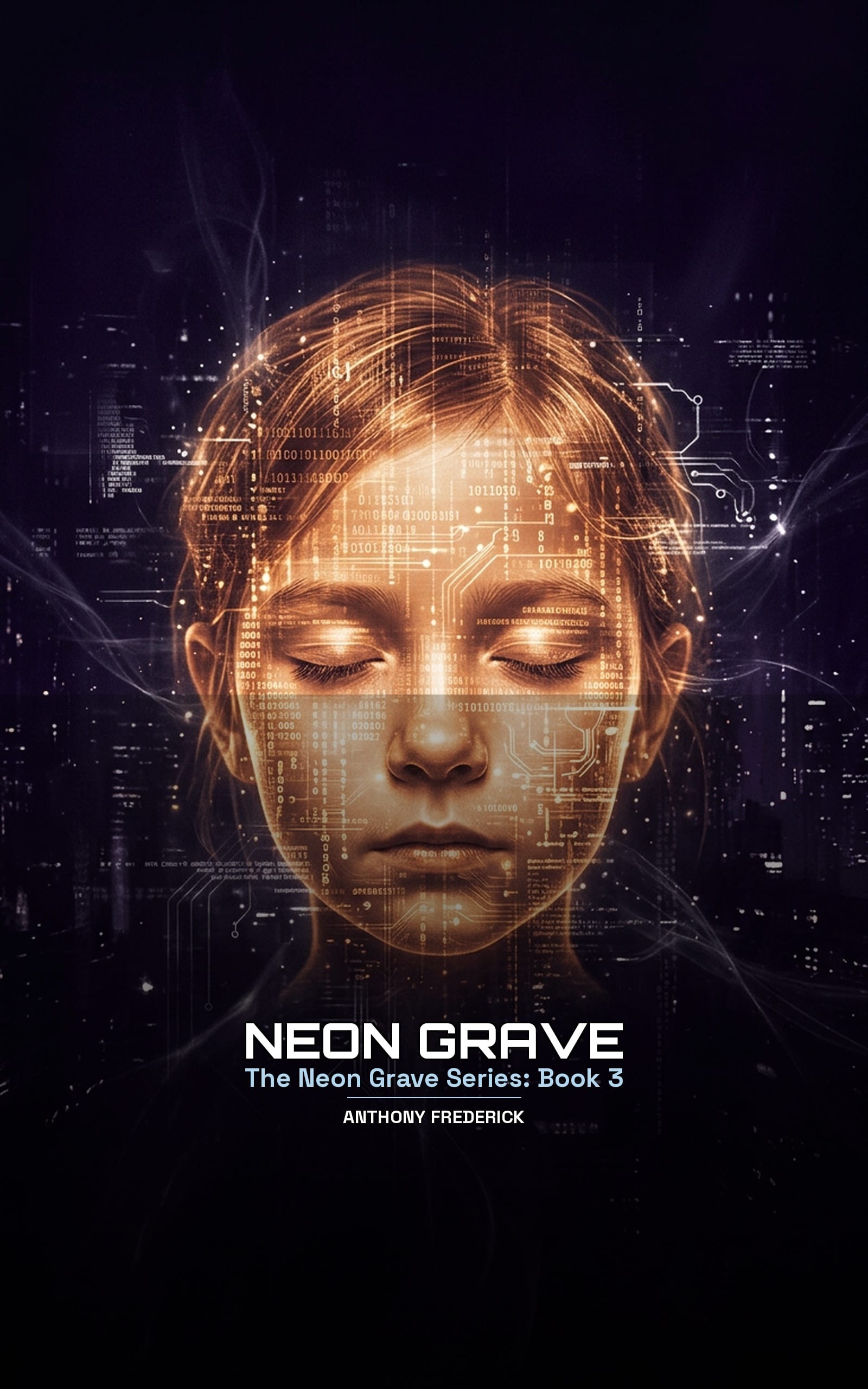
The Echo Frequency used to be a murmur — fragments overlapping, warning, lying, half-coherent. Now it is silence, and out of the silence, individual voices. Clear. Separate. Calling her by name. She can reach into a fragment's memory at will. She is more powerful than she has ever been.
She is also less human than she has ever been.
And the company that built the recorder at her neck — REMEMBER YOU MUST DIE, the shell corporation running black-market neural tech through front companies — is done hiding.
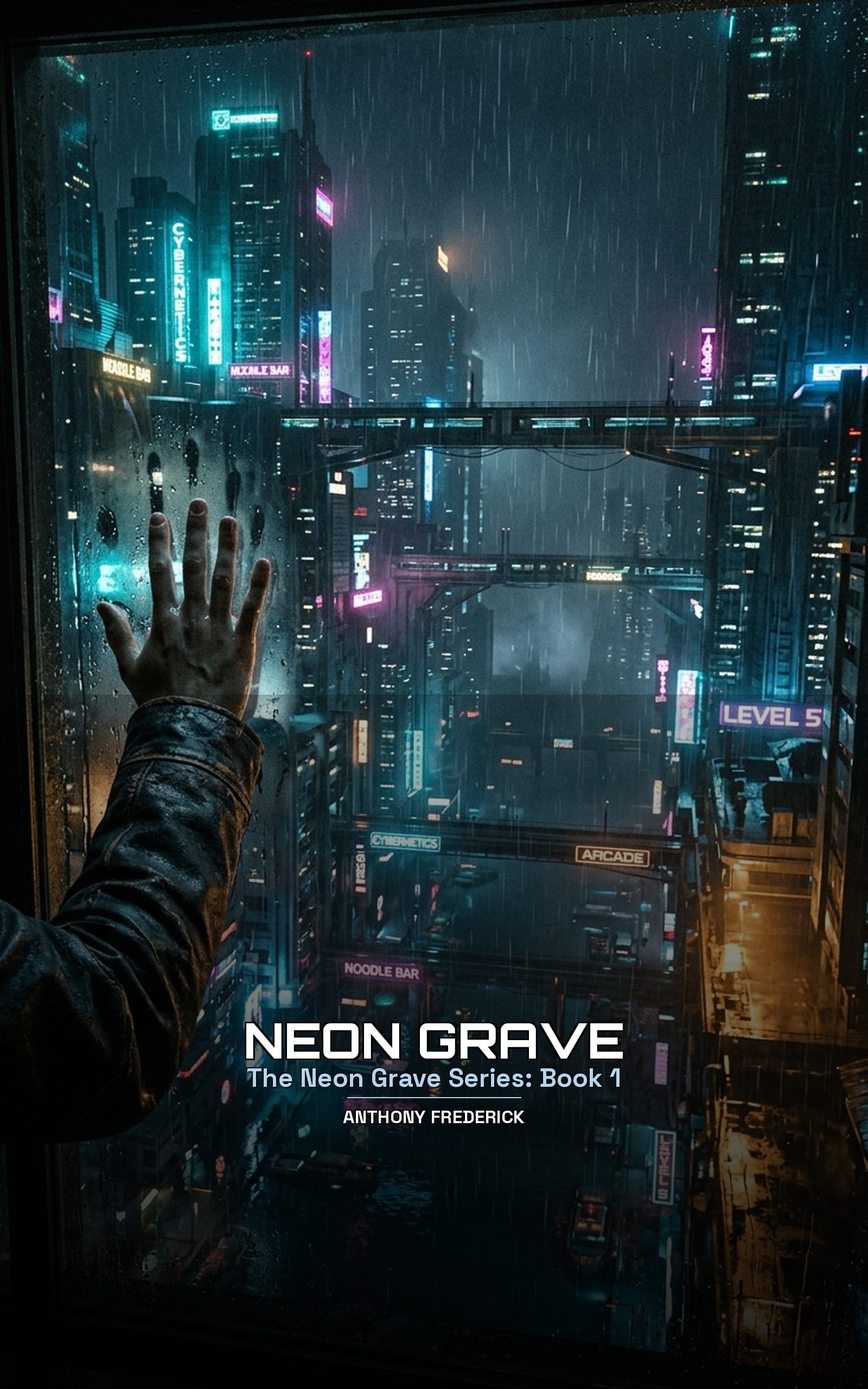
Cascade is still there. The neon twilight, the perpetual rain, the seven layers of city stacked on a drowned past. But Reyne is different now. The upgrade she didn't ask for has rewritten the rules of who she is. The forty-seven fragments that once crowded her subconscious now speak in turn, and one of them carries her father's voice. He has been in there. He has been waiting.
He is the reason she became a detective. He is the reason REMEMBER YOU MUST DIE is the enemy. And he died because of what they built.
Now she goes after them.
There is a particular kind of power that scares you more than weakness ever did — the moment you realize you can do something you shouldn't be able to do, and that the cost was a piece of your humanity you didn't notice leaving. Reyne Kavanagh lives in that moment now. She solves what no one else can. She hears what no one else can. And she is not sure, on the bad nights, that the person solving the case is still the person who started it.
This is the book for the part of you that has changed in a way you couldn't name — that grew sharper and colder and more capable, and wondered, quietly, what it cost. The part that knows power and loss are often the same transaction.
Anthony Frederick is not the villain you expect. She is the Executive Vice President of REMEMBER YOU MUST DIE, immaculate in a tailored black suit with circuit-board patterning woven into the fabric, a corporate-grade recorder at her own nape with a blue LED that means she has never once flatlined. Her voice is warm. Genuine. The most dangerous voice in the room because it sounds like she cares.
She doesn't want to kill Reyne. She wants to complete her.
Reyne is a prototype. The forty-eight-death limit was a design constraint — and Frederick has solved the constraint. She wants Reyne to accept the upgrade. Why destroy your best product?
She believes the Dead Channel is the next stage of human evolution. Neural recording was step one. Commixture — pouring another mind into your own, the addictive drug of the future with no rehab — was step two. The ability to die and return, accumulating fragments of other consciousnesses, is step three. She wants to birth the next species of human. And she wants Reyne to be the first of the new kind.
You know what it is to be recruited by something that wants to improve you. To be told your damage is a feature. To feel, against your better judgment, the pull of someone who sees your pain as potential. REMEMBER YOU MUST DIE is the offer you almost took. The offer dressed as care. The book makes you sit with the question: if the thing that broke you also made you able to hear the dead, would you give it back?
Reyne won't. But she has to decide what to do with the version of herself it created.
Solomon Vale is still there — the gaunt, stooped coroner who has signed every one of her death certificates and kept a promise made the night her father died. He doesn't approve of what she's becoming. He also knows she's the only one who can end this. He is preparing for the thing he has feared since Case #1, and he still doesn't know how to stop it.
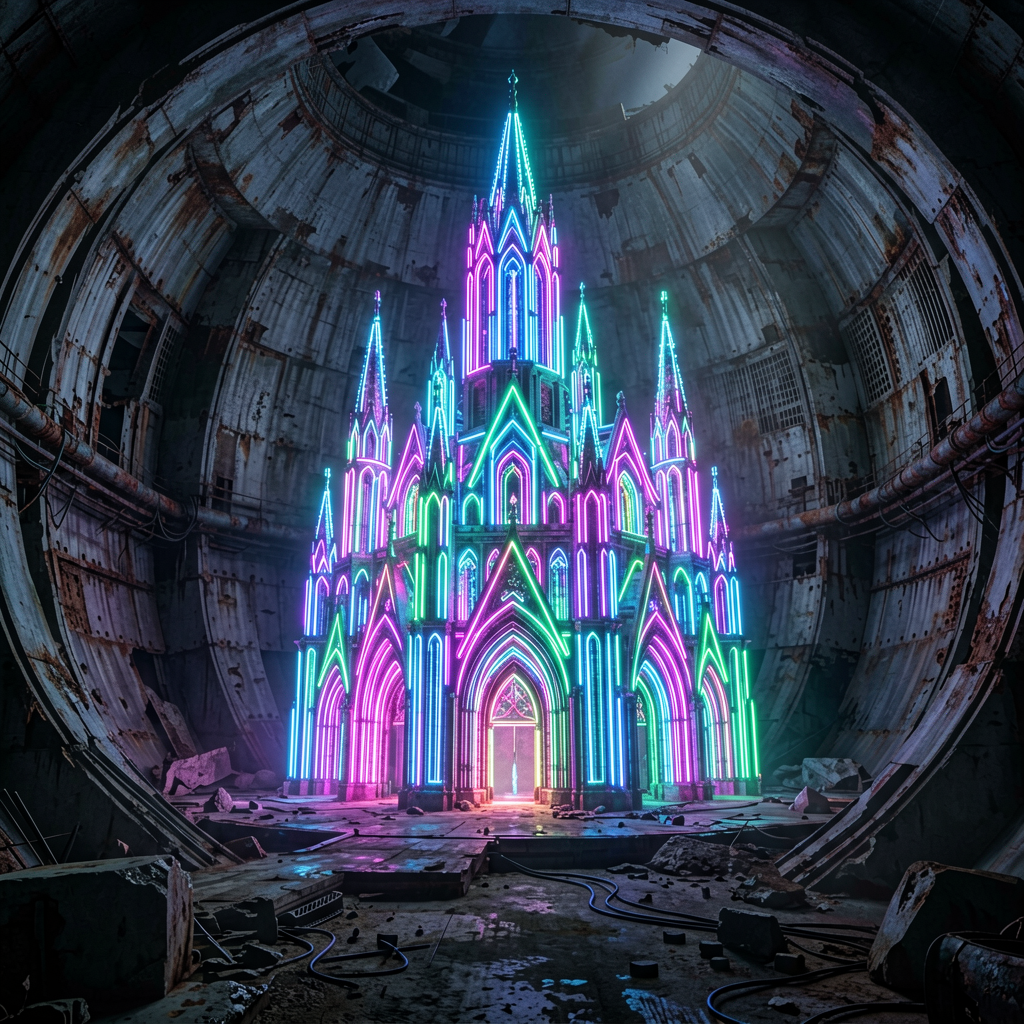
The Drowned City waits underneath — Layer 7, the original Cascade, streets intact, cars frozen, the dead preserved in cold saltwater. The past is not past. It is down there, breathable in trapped gas pockets, patient, holding the answers Reyne has been chasing since the first flatline.
Cascade Burns is the sound of a city that knows something changed in its best detective. The synthwave underneath this volume is colder, more electric — the Dead Channel silent, the individual voices clear, the blue LED a threat where the amber used to be a comfort. You will feel the genre shift from noir procedural to something closer to transformation horror, and you will not be able to look away.
The dead are talking. Only she can hear. And what they are telling her is that the recorder was never the point. That the company that built it knew about the limit. That her father's death was not an accident. That the voice in the Dead Channel that sounds like family is real, and that it has been waiting for her to be strong enough to listen.
This is the book for the reader who finished Case #48 and needed to know what happened after the lights came up. Who suspected the first book's ending was a door, not a wall. Who understands, in the bone, that the most dangerous offer is the one wrapped in concern.
There is a scene in every reader's life that this book is built around: the moment you realize the person who hurt you also made you who you are, and that the two facts cannot be separated no matter how much you want them to. Reyne faces that scene on every page. The Echo Frequency is her inheritance and her prison. The upgrade is her rescue and her erasure. Frederick is her enemy and her maker.
You will not know which side you're on. That is the point.
She jokes less now. The Echo Frequency listens, and the jokes used to be the signal that she wasn't scared — but the silence of individual voices is its own kind of fear, the kind that has a name attached to it. Her father's name. The name of the man REMEMBER YOU MUST DIE took from her, and the man whose voice is now the clearest thing in the dark.
Memento Mori. The dead are talking. Only she can hear.
And what they say will change what she is — and what she decides to become before the next book opens the door to the truth beneath the truth.
For everyone who's lost someone and suspects they're still trying to say something.
The Neon Grave Trilogy