Clockmakers of the Stream — The Stolen Stream
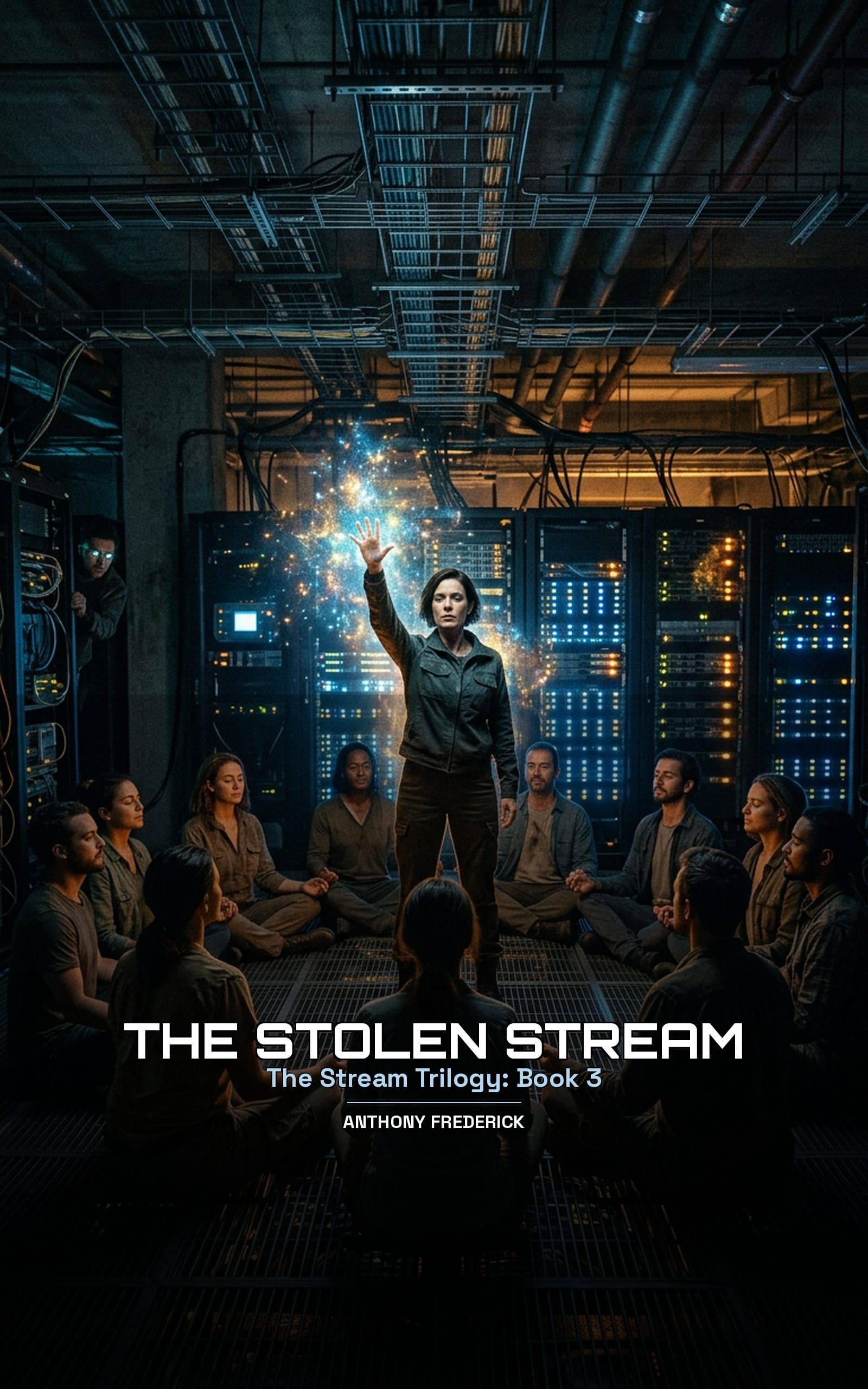
Time switched sides.
Book 3 of the The Stolen Stream trilogy
For a hundred and fifteen years, time was the weapon and Kai Eschendorf was the target. The Stream was dammed, the Toll was collected, the ledgers were balanced on the backs of people who aged in days so that strangers could live in centuries. The architecture of the theft was so complete, so total, so woven into the ordinary texture of life, that it looked like weather — like something that simply happened, inevitable and blameless, the way a river floods or a winter comes without asking. That was the true genius of Temporal Mechanics: it made the robbery feel like the climate, made the victim feel like they were merely unlucky, made the beneficiary feel like they had merely been wise.
But a river that has been dammed for a century learns where the cracks are. And the people who were supposed to be its victims — a writer who wouldn't stay dead, a historian who wouldn't stop reading, a son who learned to build clocks inside the broken places — have spent three books becoming something the system was never designed to survive. They became clockmakers. Not the kind who repair watches in a quiet shop. The kind who understand, down to the grain of reality, that if time is a machine, then the machine can be rebuilt, and the people who built it wrong can be unbuilt by the same hands that finally learned the blueprint.
This is the story of the moment the current turns. Time switched sides. Not because the Stream changed its nature — a river does not choose, a current does not take oaths — but because the people swimming in it finally learned to swim the other way, finally learned that the dam was built by cowards who were afraid of their own mortality, and that cowards leave weak seams. The Signal Tax, the iron law that every ten years traveled costs one year of life, was always presented as the unbreakable price of moving through time, the wall no one could climb. But Kai survived it. Elara inherited the question of why. And the answer, when it finally surfaces from the frozen stillness of the Speiche, is not a loophole you can exploit and forget. It is a rewriting.
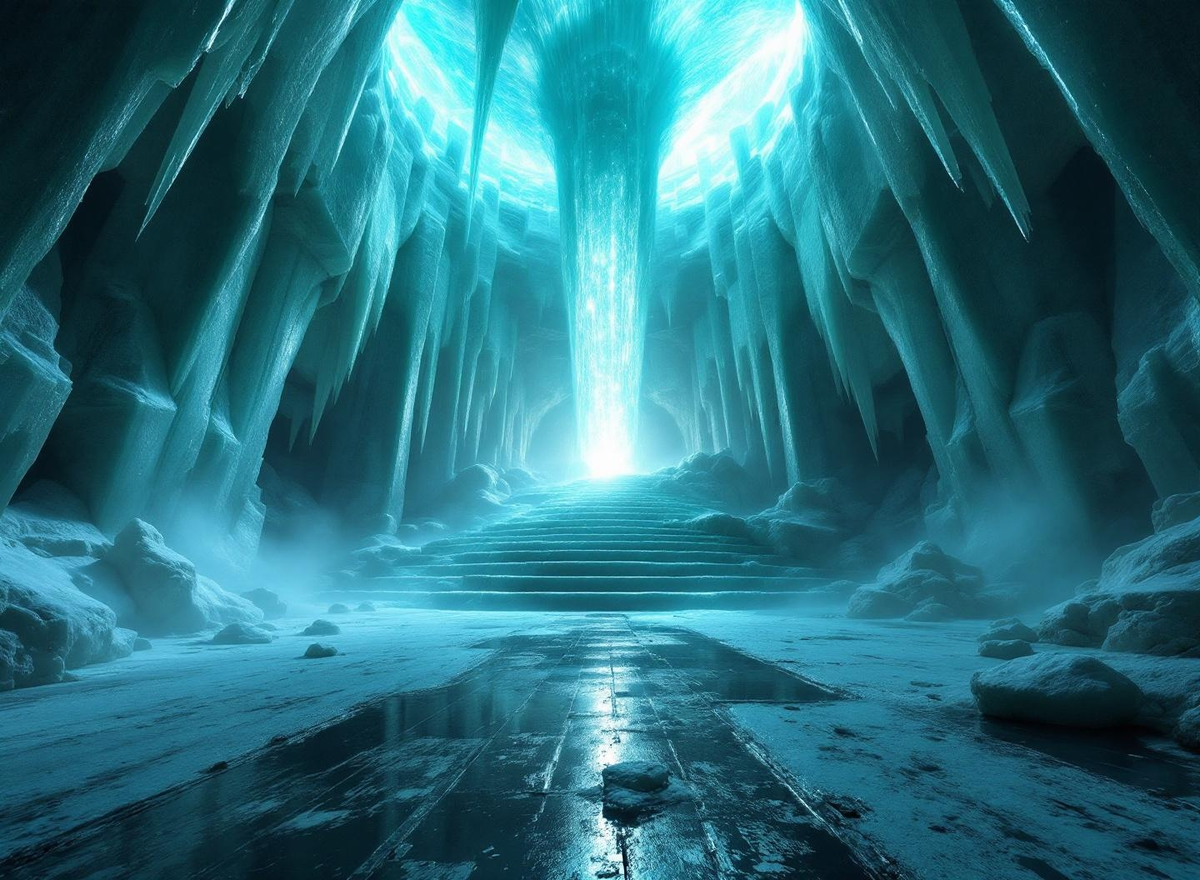
The Frozen Light Singularity — light locked in place at the end of time, reality suspended in a single breath that never finishes — was never only a catastrophe, never only the disaster the official histories mourned. It was a pause. A held note in a song everyone assumed had ended. The universe stopped at the Speiche because someone chose to stop it, and the choice has been waiting, patient as a coiled spring, for the people who were owed everything to arrive and decide what happens when the breath is finally, carefully, let out. The Paradox of Kai, the central mystery of the whole fractured timeline, resolves here — not into an answer anyone expected, and certainly not into a clean one, but into a decision no single person was ever meant to make alone, a decision too large for one conscience and too urgent for none.
Elara Venn carries the research, the patient accumulation of truths that someone spent a century trying to erase. Julian — the son, the clockmaker, the architect of the Frozen Light, the figure who appears across timelines under the name Aldric whenever the old access codes are spoken — carries the mechanism, the actual means of turning the river. And Kai, who has been twenty-eight for longer than most nations have existed, carries the debt that started it all and the strange, unpaid, improbable life that makes him both the first victim and the last variable, the living proof that the machine could be broken and therefore could be rebuilt.
Three books of stolen years converge on one question that no ledger can answer: if you could give time back to the people it was taken from, would you rewind the world to a moment before the dam, or would you finally let it move forward — on honest terms, for the first time, with no one billing the poor for the seconds of their own existence? There is no clean version of this choice. There is only the choice, and the people brave enough, or angry enough, or simply tired enough, to make it.
Time switched sides means the weapon is no longer pointed at the poor. It means the ledgers can be reversed, that the centuries hoarded by the few can be returned to the many who aged in days, that the arithmetic of a stolen life can finally be done in reverse. But it also means the people who built the dam will not surrender the river quietly, and that a machine rebuilt in desperation can spin in directions no one anticipated, can accelerate as easily as it can free, can punish the careless healer as readily as the careful thief. The clockmakers are not gods. They are inheritors — of a theft, of a paradox, of a frozen light that has been waiting for them to grow brave enough to release it without destroying what little was left.
This is the final volume of The Stolen Stream. It does not promise that justice is clean, or that the river, once freed, will flow the way it did before it was dammed, or that everyone who was owed will be paid in full. It promises only that the people who were owed their lives get to be in the room when the decision is made — for the first time, after a hundred and fifteen years of being the current's victim, Kai Eschendorf and the ones who followed him get to decide which way the water runs, and whether the toll is ever collected from the innocent again.
Consider what it means for the weapon to become the tool. Consider what it means for the people who were billed for their own existence to hold, finally, the pen that writes the bill. Consider what it means to inherit not just a crime but the power to undo it, and to discover that power is heavier than the crime ever was.
Time switched sides. The question is no longer who stole it, or even how they got away with it for so long. The question is what you build with time, once it's finally, impossibly, yours — and whether you can be wiser with freedom than your captors were with the theft.
When the enemy is the clock itself, winning means rewriting the rules it wrote.
The The Stolen Stream Trilogy
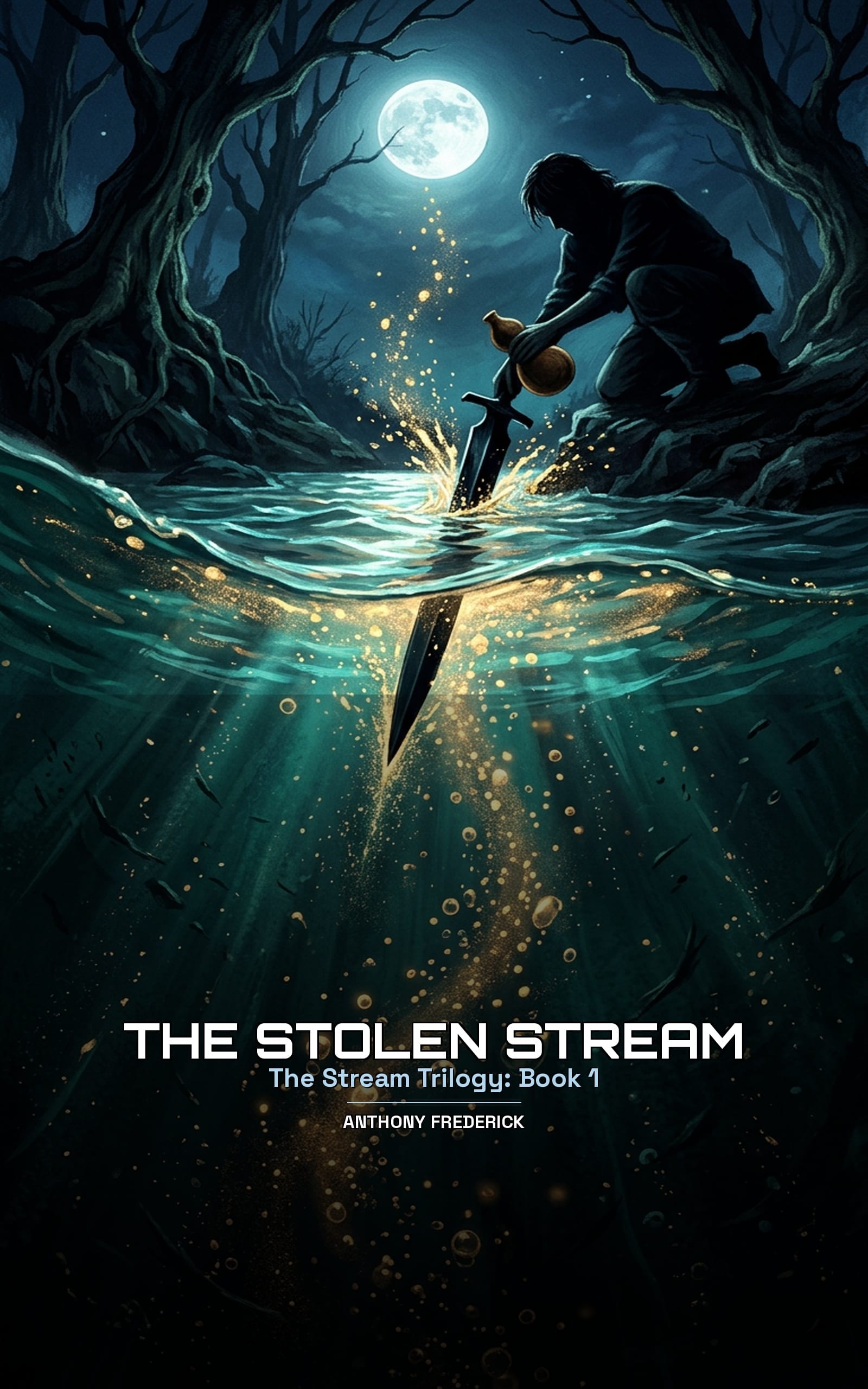
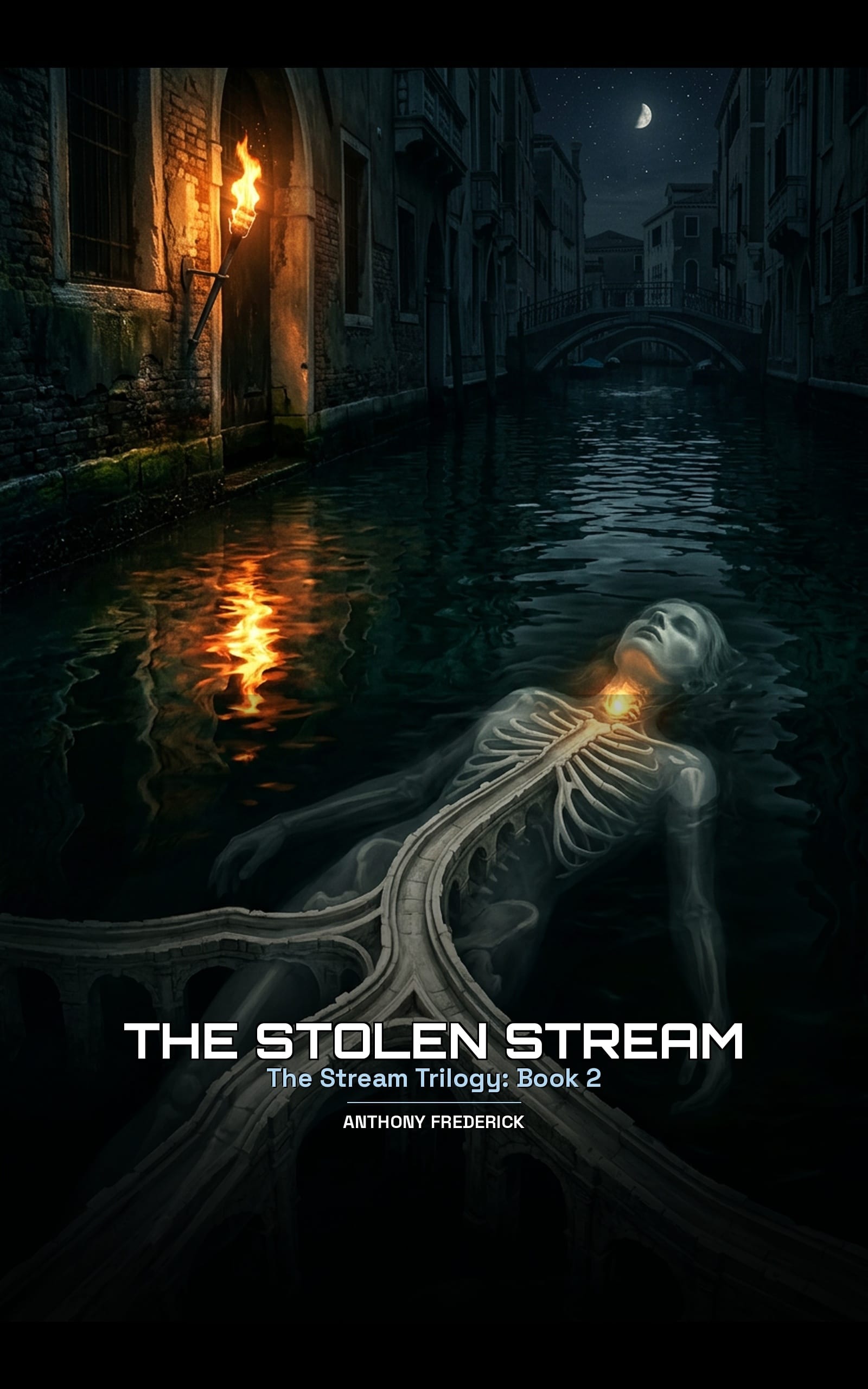
In This Series:
- Clockmakers of the Stream (you are here)
- The Frozen Light
- The Stolen Stream
Also explore our other universes: 7-Best-Cyberpunk-Book-Series Fragment Last-Creature Tower-Of